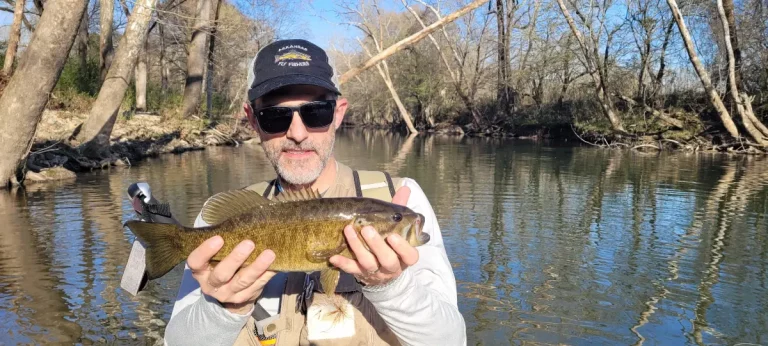
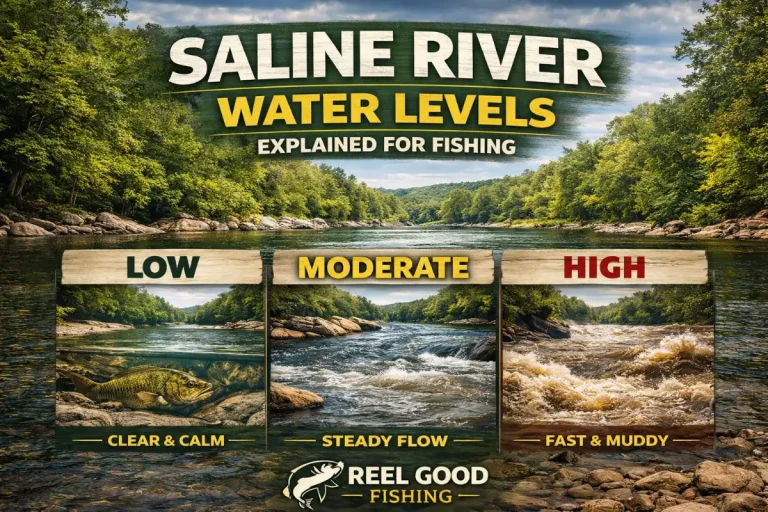
Late-Summer Tactics for fly fishing in central Arkansas. The Saline & Little Red Rivers

Late summer brings some of the most technical and rewarding fly fishing in central Arkansas. As water temperatures peak and river flows drop to their seasonal baselines across the region, resident fish adjust their feeding habits around oxygen-rich water, low-light windows, and precise dam generation schedules.
Whether you are wading for wild smallmouth bass on the warmwater reaches of the Saline River or hunting trout on the cold tailwaters of the Little Red River, adapting your leader setups, fly selection, and river timing is essential for consistent angling success.
Saline River Guide: Warmwater Fly Fishing in Central Arkansas

The Saline River and its upper forks offer premier warmwater sport fishing. During late August and early September, low, gin-clear water makes stealth and delicate presentations critical when targeting aggressive stream predators.
Seasonal Patterns for Fly Fishing in Central Arkansas
- Low-Light Surface Action: During the first two hours of daylight, smallmouth bass move into shallow gravel bars and the heads of riffles to hunt baitfish and terrestrials.
- Midday Deep-Structure Holding: As the sun rises, larger bass retreat to shaded bedrock ledges, root wads, and deep channel guts where the water stays cooler and oxygen levels remain higher.
Recommended Rigs for Fly Fishing in Central Arkansas
- Early Morning Topwater: Finesse poppers, foam spiders, and walking bugs fished along shaded cut banks trigger explosive surface takes.
- Sub-Surface Streamers & Nymphs: Midday success requires getting your fly down fast. Heavy tungsten-beaded crayfish imitations, olive sculpins, and rubber-legged stoneflies fished on 9- to 12-foot fluorocarbon leaders (2X–3X) are top producers.
Little Red River Tailwaters: Coldwater Fly Fishing in Central Arkansas

Located below Greers Ferry Lake, the cold tailwaters of the Little Red River stay chilly year-round. This constant cold-water release makes the river an absolute refuge for rainbow and trophy brown trout during the high heat of summer. Success here hinges entirely on understanding generation schedules managed by the U.S. Army Corps of Engineers and SWPA.
How Tailwater Flows Impact Fly Fishing in Central Arkansas
- Low Water (No Generation): Trout concentrate in deeper channel slots and main current seams. Clear, slow-moving water makes these fish highly educated, spooky, and selective.
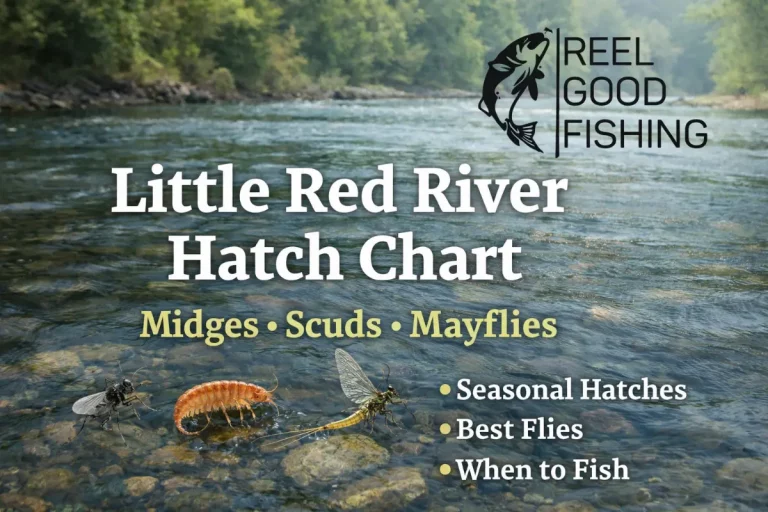
- Falling Water (Post-Generation): As generation shuts off and the river drops, trout feed heavily on dislodged sowbugs, scuds, and midges drifting down the main current.
Trout Rigs & Tactics for Fly Fishing in Central Arkansas
- Micro-Nymph Rigs: Run a long 6X or 7X fluorocarbon tippet with size 18–22 Zebra Midges, Ruby Midges, or gray sowbugs under a lightweight micro strike indicator.
- High-Flow Attractors: When water is moving or dropping, larger patterns like pink San Juan Worms, Y2K eggs, or small Woolly Buggers trigger aggressive reaction strikes from opportunistic feeders.
Fishing for both species requires an Arkansas fishing license and can be purchased at the Arkansas Game and Fish Commission
River Comparison for Fly Fishing in Central Arkansas
| Feature | Saline River | Little Red River |
| Primary Species | Smallmouth bass & spotted bass | Rainbow trout & brown trout |
| Water Type | Free-flowing warmwater stream | Cold-water tailwater (dam-regulated) |
| Prime Windows | First light & late afternoon | Low-flow windows & falling water |
| Core Fly Selection | Poppers, Crayfish, Sculpin Streamers | Size 18–22 Midges, Sowbugs, Scuds |
| Leader Setup | 9–12 ft Fluorocarbon (2X–4X) | 9–12 ft Fluorocarbon (5X–7X) |
| Primary Approach | Wading for smallmouth bass or kayak floating | Wade fishing low water or drift boat generation trips |
Late-Summer Tips for Fly Fishing in Central Arkansas
Navigating low water and reading fluctuating tailwater flows requires a methodical approach. Keep these universal strategies in mind when planning your day on regional waters:
- Watch the Schedule: Always check generation release times before visiting tailwaters. Plan your fishing position so you can safely wade ahead of or right behind the high-water push.
- Downsize Your Tippet: Ultra-clear summer water gives fish plenty of time to inspect your rig. Dropping down a tippet size and opting for fluorocarbon over nylon reduces line visibility drastically.
- Tread Lightly: When wading for stream bass in low pools, avoid heavy wading steps that send sound waves through calm water. Long casts and quiet approaches will yield significantly more strikes. For more in depth information on these two fisheries checkout our Arkansas Fly Fishing report
Book a Guided Trip Today
Navigating low water and reading complex tailwater generation schedules requires local expertise. At Reel Good Fishing Arkansas, we provide fully guided wade and float trips tailored specifically to current river conditions. Whether you want to sight-fish for stream smallmouth bass or drift micro-midges for tailwater trout, we supply the local knowledge, high-end gear, and custom fly patterns needed to get you on fish consistently.
Experience the absolute best fly fishing in central Arkansas with local experts who know these waters inside and out. Contact Reel Good Fishing Arkansas today to check current availability and secure your next angling adventure.

Written by John Pineda an Arkansas fly fishing guide.

 For upload, use: **File name** `arkansas-fly-fishing-report-little-red-saline-logo.png` **Alt text** `Arkansas fly fishing report for Little Red River and Saline River by Reel Good Fishing`](https://b4282122.assetcdn.net/2.0/4282122/wp-content/uploads/2026/03/arkansas-fly-fishing-report-little-red-saline-logo-768x403.webp?lossy=2&strip=1&webp=1 "Arkansas Fly Fishing Report | Little Red River & Saline River 8")