Little Red River Fly Patterns
The Little Red River in Arkansas is one of the top trout fishing destinations in the South. The Little Red River is one of the most consistent trout fisheries in the South. Anglers travel from all over to fish its clear, cold water and healthy trout population. But if you want steady success, understanding the right Little Red River Fly Patterns for each season is essential.
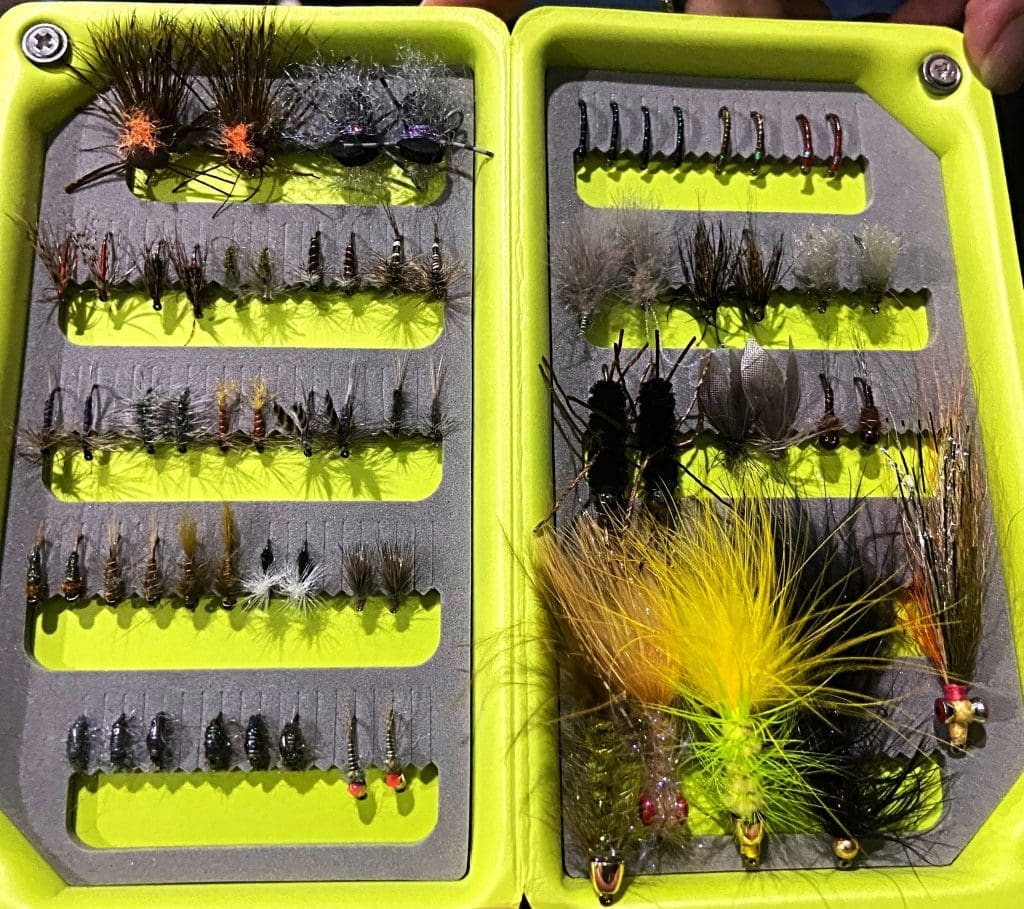
This guide covers the most effective Little Red River Fly Patterns, when to use them, and how to fish them for consistent results throughout the year.
Why Little Red River Fly Patterns Matter
Fly selection plays a major role in your success on this river. Because the Little Red is a tailwater, it maintains cold water temperatures year-round. That steady environment supports constant insect activity, especially midges and caddis.
There are three main reasons why choosing the correct Little Red River Fly Patterns is so important:
- The water is often clear, so trout get a close look at your fly.
- Trout feed heavily on small insects for much of the year.
- Seasonal hatches create short but intense feeding windows.
Matching the size, color, and stage of the insect trout are feeding on will dramatically improve your catch rate.
1. Midge Patterns (Year-Round Producers)
When anglers talk about reliable Little Red River Fly Patterns, midges are always at the top of the list.
Best time: Winter through early spring (but effective all year)
Why they work: Midges hatch twelve months a year and make up a large part of the trout diet.
Top midge patterns:
- Zebra Midges (black, red, olive)
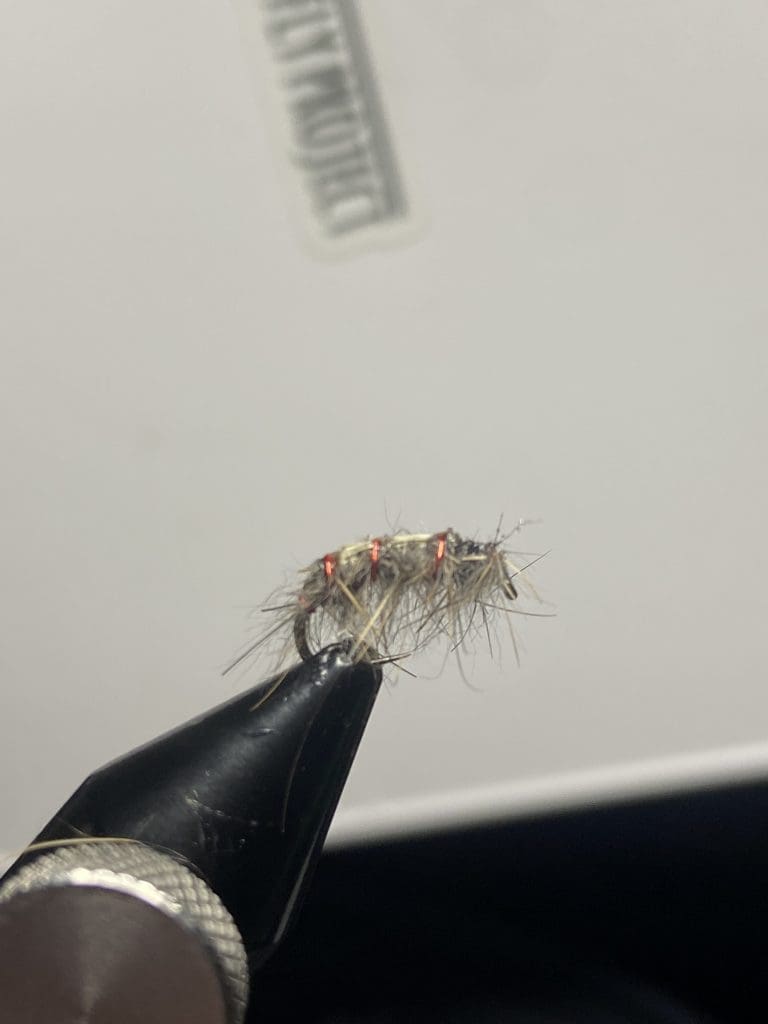
- Griffith’s Gnat
- Midge emerger patterns
How to fish them:
Fish small midge nymphs under an indicator with enough weight to stay near the bottom. Focus on slower seams and deeper runs. In shallow water during visible hatches, switch to a Griffith’s Gnat and target rising trout.
If you only carry one category of Little Red River Fly Patterns, make it midges.
2. Caddis Patterns (Spring and Early Summer)
Caddis are another key food source and an important part of seasonal Little Red River Fly Patterns.
Best time: March through July
Why they work: Caddis become active as water temperatures rise in spring.
Effective caddis patterns:
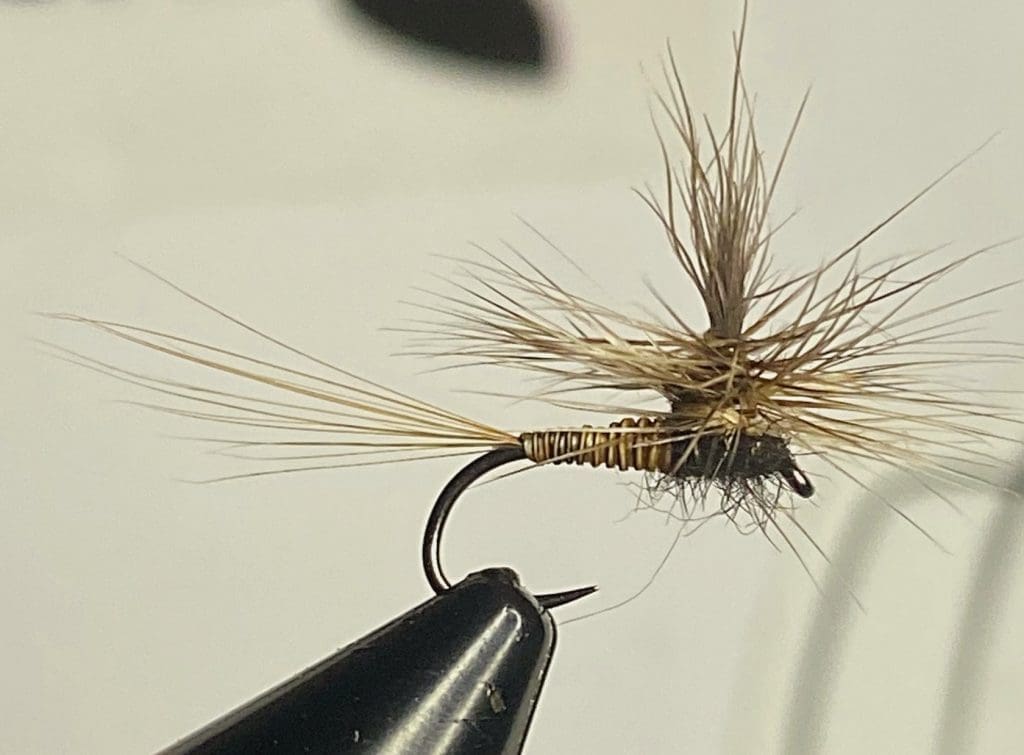
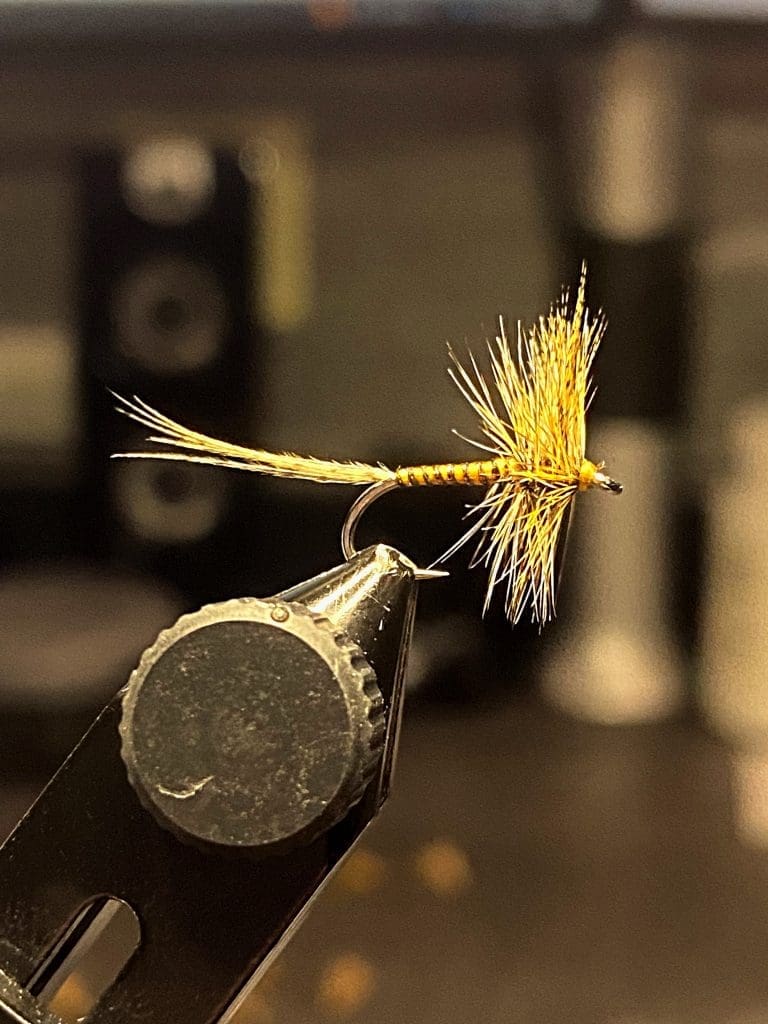
- Elk Hair Caddis
- Sparkle Caddis
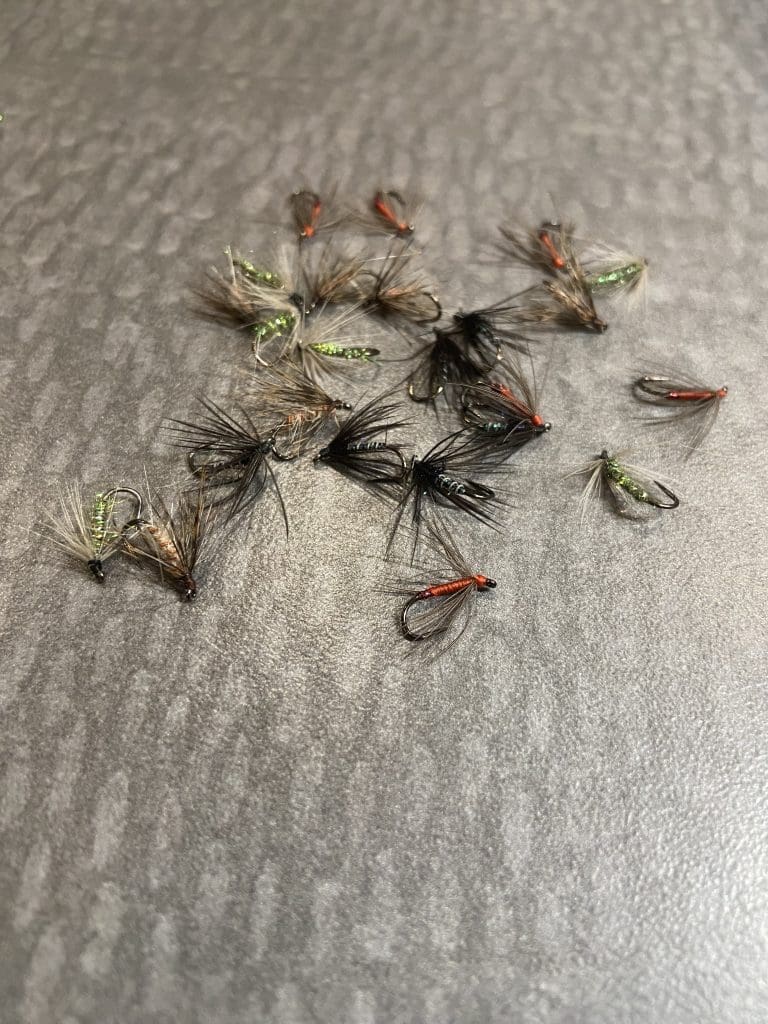
- Soft Hackle Caddis
How to fish them:
Before a hatch, fish soft hackles just below the surface. When trout begin rising, switch to a dry fly like the Elk Hair Caddis. A natural, drag-free drift is critical in clear water.
3. Mayfly Patterns (Late Spring to Early Summer)
Mayflies create some of the most exciting dry fly fishing opportunities of the year.
Best time: Late May through June
Why they work: Mayfly hatches often trigger aggressive surface feeding.
Strong mayfly options:
- PMD (Pale Morning Dun)
- Hendrickson patterns
- Adams
How to fish them:
Watch carefully for subtle rises in slower water. Match the hatch in both size and color. Long leaders and delicate presentations help avoid spooking fish.
During heavy hatches, these Little Red River Fly Patterns can produce steady action on the surface.
4. Terrestrial Patterns (Summer to Early Fall)
When aquatic insect activity slows in the heat of summer, terrestrial insects become important.
Best time: June through September
Why they work: Ants, beetles, and grasshoppers frequently fall into the river from surrounding banks.
Reliable terrestrial patterns:
- Foam Beetles
- Hopper patterns (size 10–12)
- Black or red Ant patterns
How to fish them:
Target shaded banks, grassy edges, and undercut structure. Cast tight to the bank and allow the fly to drift naturally. Windy days often increase terrestrial action.
Adding terrestrials to your box of Little Red River Fly Patterns ensures you stay prepared during the warmer months.
5. Streamer Patterns (Fall and Winter)
If you are targeting larger trout, streamer patterns are an important category of Little Red River Fly Patterns.
Best time: October through February
Why they work: Streamers imitate baitfish and trigger aggressive strikes, especially from brown trout.
Top streamer choices:
- Woolly Bugger
- Muddler Minnow
- Soft Hackle Streamers
How to fish them:
Use a strip-retrieve presentation along deeper pools, bends, and structure. Vary your retrieve speed until you find what works. Cloudy days and higher flows often improve streamer success.
Presentation Tips for Little Red River Fly Patterns
No matter which flies you choose, proper presentation is critical.
- Use longer leaders in clear water.
- Keep your drift drag-free.
- Adjust weight to keep nymphs near the bottom.
- Downsize flies if trout refuse larger patterns.
Because this is a tailwater, water generation schedules affect depth and current speed. Always check flows before you go and adjust your setup accordingly.
Final Thoughts on Little Red River Fly Patterns
The Little Red River offers excellent trout fishing in every season. The key to success is rotating your Little Red River Fly Patterns based on water temperature and hatch activity.
- Winter: Focus on midges.
- Spring: Add caddis and mayflies.
- Summer: Fish terrestrials.
- Fall: Throw streamers for aggressive trout.
By understanding these seasonal patterns and adjusting your fly selection, you will catch more fish and make every trip more productive.
If you are new to the river, spending time with a local guide can help you learn which Little Red River Fly Patterns are working right now and how to fish them effectively. Book your trip with Reel Good Fishing.
Written by John Pineda, an Arkansas fly fishing guide with 20 years of experience fishing the Little Red River and surrounding waters.
For a guide on early spring fishing check out the latest blog post at https://reelgoodfishingar.com/early-spring-fishing-in-arkansas-what-to-catch-where-to-go-and-how-to-succeed/
 For upload, use: **File name** `arkansas-fly-fishing-report-little-red-saline-logo.png` **Alt text** `Arkansas fly fishing report for Little Red River and Saline River by Reel Good Fishing`](https://b4282122.smushcdn.com/4282122/wp-content/uploads/2026/03/arkansas-fly-fishing-report-little-red-saline-logo-768x403.webp?lossy=2&strip=1&webp=1 "Arkansas Fly Fishing Report | Little Red River & Saline River 11")