
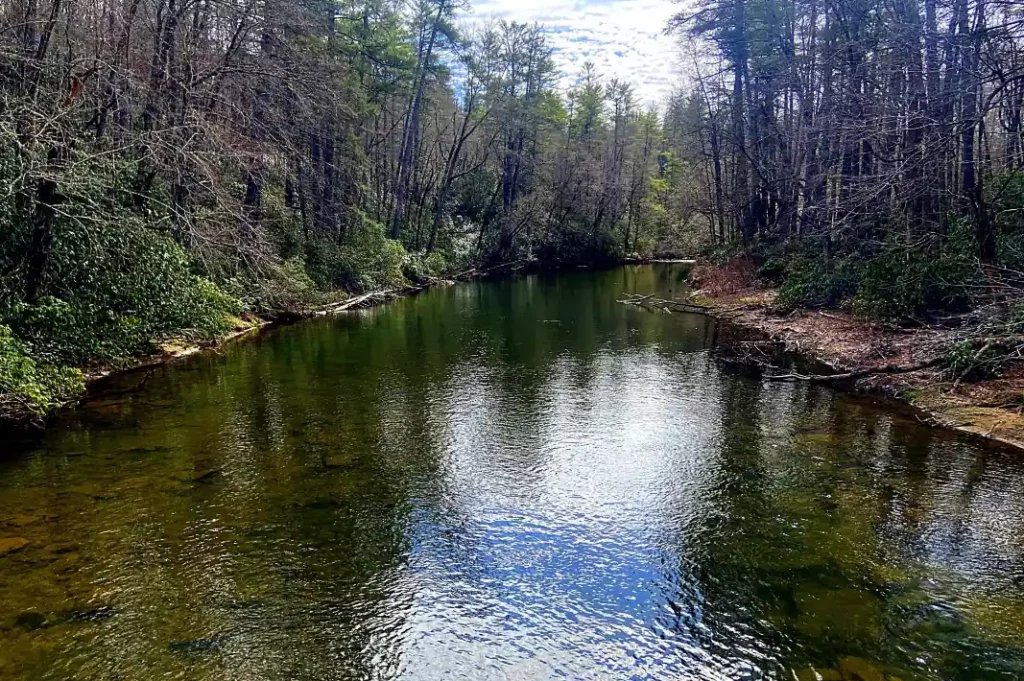
Updated each week by Reel Good Fishing, this Arkansas fly fishing report shows current river conditions. It covers the Little Red River fishing report and the Saline River fishing report. Anglers can find notes on dam releases, water level, weather, fly patterns, and what to expect right now.
If you want a current fly fishing report, this page can help. It is built for anglers planning a trip near Central Arkansas. We share water data, weather updates, and guide notes from time on the river. This helps anglers make better choices before their next trip.
Current Arkansas Fly Fishing Conditions
River Conditions
Updated river snapshots from Reel Good Fishing. Gauge and forecast data are pulled automatically from verified sources.
Little Red River
Greers Ferry tailwater trout conditions
Guide notes
Low/Clear Water (Wade Windows): Trout are easily spooked during clear daytime flows. Focus efforts on faster-moving seams where current pushes through riffles.
Nymphs & Micro-Patterns: Zebra Midges (#18–#22), Sowbugs (J-Dub/grey/olive #16–#18), Pink Mega Worms/Soft Beads, Mayers mini leaches, and Tunghead Pheasant Tails.
Sub-Surface/Drift: 6X to 7X fluorocarbon tippet is required for low-water presentation.
High Water / Generation Releases: When water starts pushing, switch to larger profiles to get down into the column.
Streamers & Buggers: Wooly Buggers (black, olive, copper) and medium streamer patterns fished through tail race structure. Keep in mind the emergency AGFC trout regulation remains in effect for 2026: The daily limit is 2 trout, and all trout over 14 inches must be released immediately.
Weather snapshot
- Now: 61°F
- Wind: 0 mph
- Friday: Sunny
Saline River
Central Arkansas smallmouth conditions
Guide notes
Typical late-summer/early-fall low and gin-clear water conditions (Benton gauge hovering ~15–20 CFS). Outstanding wade-fishing accessibility across gravel bars and pool-and-drop stretches, though low, clear flows make smallmouth bass exceptionally spooky. Focus on deep undercut banks, shaded ledge rock, and the heads of deeper pools where moving water provides oxygen and cover. Tequeely-style streamers (brown/yellow with dumbbell eyes), hellgrammite imitations, and small sub-surface bait fish patterns. Work them slowly with rhythmic pauses near structure. Early morning and low-light evening hours have offered explosive top water bites. Cast foam poppers, stealthy deer-hair bugs, or hopper patterns tight to brushy banks. Downsize leaders/tippet to 2X–3X fluorocarbon and lengthen distance on casts to avoid spooking fish in pool tails.
Weather snapshot
- Now: 59°F
- Wind: 0 mph
- Friday: Sunny
Little Red River Fishing Report
The Little Red River can change fast. Dam releases, weather, and fishing pressure all affect the river. It is one of the best trout rivers in Arkansas. Good fishing often depends on matching the water level with the right approach.
When the water is low and steady, anglers can wade more easily. Trout often hold in small groups. Anglers can fish small flies such as nymphs, sowbugs, and midge patterns.
When the water rises, fishing becomes different. Anglers must control depth and presentation more carefully. Safe footing and good position in the river also become more important.
What to watch on the River:
- Current generation schedule
- River level and flow trend
- Water clarity
- Recent stocking and pressure
- Best nymph, streamer, and dry fly opportunities
Common flies on the Little Red River include zebra midges, sowbugs, pheasant tails, soft hackles, San Juan worms, egg flies, and woolly buggers. These flies often work well when trout feed in changing water.
The best fly can change fast. Dam releases, water clarity, and the season all affect how trout feed on the Little Red River. For more information check out our Little Red River Guide.
Saline River Fishing Report
The Saline River is not a tailwater. It can change fast after rain. Water level and clarity may shift quickly. Anglers should always check river conditions before a trip.
When the river runs clear and at a good level, smallmouth bass can be very active. Streamers, crawfish flies, and topwater flies often draw strong strikes.
Low, clear water makes wading easier. It can also help anglers see fish. When the water is stained or rising, anglers may need larger flies and more active retrieves.
What to watch on the River
- Recent rainfall in the watershed
- Water clarity and visibility
- Current depth and safe wading conditions
- Air temperature trends
- Smallmouth feeding activity
These factors can change quickly and often shape fishing conditions on the river.
- Recent rainfall in the watershed
- Water clarity
- Current depth and wade-ability
- Air temperature trends
- Smallmouth feeding activity
Typical productive flies include Clouser Minnows, crawfish patterns, woolly buggers, baitfish streamers, poppers, and foam bugs during warmer months. These flies shine when smallmouth are active in clear water conditions. For more information check out our Saline River Guide.
Arkansas Weather and Fishing Outlook
Weather plays a big role in fishing in Arkansas. Rain can raise warmwater rivers fast. Changes in temperature, clouds, and wind can also affect trout and smallmouth.
Before a trip, anglers should check the weather forecast and recent rain. They should also look at river level and water clarity in Central Arkansas.
Stable weather often brings better fishing. Cold fronts, heavy rain, or strong wind can make casting and presentation harder. These changes can happen fast in Arkansas.
Best Flies Right Now
Little Red River
Zebra midge
Sowbug
Pheasant tail
Egg fly
Woolly bugger
Saline River
Clouser Minnow
Crawfish fly
Olive bugger
Popper
Baitfish streamer
These flies often work well when trout and smallmouth are active.
Book a Guided Trip
If you need help reading river conditions, Reel Good Fishing offers guided trips on the Little Red River and the Saline River.
A guide can help choose the best river, flies, and methods for the day. You may want to fish for trout below Greers Ferry Dam. You may want to chase smallmouth in Central Arkansas. We help anglers fish the right water at the right time.
More Arkansas Fly Fishing Resources
- Little Red River Fly Fishing Guide
- Saline River Fly Fishing Guide
- Arkansas Fly Fishing Guide
- Arkansas Fly Fishing Blog
Arkansas Fly Fishing Report FAQs
What makes these two rivers fish differently?
The Little Red is a cold tailwater trout river. Water releases from the dam control river levels and fishing conditions.
The Saline is a warmwater river. Rain, water clarity, and seasonal temperature changes affect fishing much more here.
What should I check before fishing these rivers?
Before fishing the Little Red and Saline Rivers, always check:
- The current generation schedule
- River flow and water level
- Weather conditions
- Safe wading conditions
These factors can change fishing success and safety on the river.
When is the Saline River best for fly fishing?
The Saline River often fishes best when water levels are steady and clarity is good. Smallmouth bass tend to feed more when conditions stay stable.
Recent rain can raise the river quickly and change fishing conditions.
Can I book a guided trip based on current conditions?
Yes. A guided trip helps match current river conditions with the best location, flies, and techniques for the day.
Guides adjust the plan based on water levels, weather, and fish activity.
See what clients are saying about Reel Good Fishing
Reel Good Fishing
Out of 5 stars
Overall rating out of 10 Google reviews


John is the only guide who really knows the Saline River. He works hard for you. I recommend him to anyone. He's also a fine person, introducing at risk youth to flyfishing and mentoring them.

Reel Good Fishing w/ John was a top notch experience. I took my Dad over to experience Fly Fishing for Smallmouth on the Saline River in Benton, AR and we are still talking about the trip days after. John truly knows the river and made the experience one to remember beyond just catching fish. He was easy to interact with, incredible with helping us get comfortable with the equipment. From beautiful river landscape, mints in your pocket, to taking a moment here and there to just look up and enjoy where you are and what your doing.. You can’t go wrong with this guide service! We will absolutely be back. Thanks John for an awesome memory with my Dad.

Awesome experience guy was super helpful and got us on some fish 🤘🤘

Awsome guide!!! Booked a half day trip brought cold drinks for us caught loads of fish and stuck around at the end to teach us some tips for trout fishing would highly recommend.

Had the pleasure of fishing with John this past December during an Arkansas Fly Fishers group outing. I’m a newbie to fly fishing and John was the consummate professional, considering my lack of skills. We caught several fish and I definitely learned a lot from him. I will definitely be using his guiding services again in the future. Engage his guiding skills, you won’t be disappointed!

Watching Jackson learn to fly fish with John was unreal. He doesn’t just guide—he teaches with patience, passion, and a true love for the sport. If you’ve been thinking about booking a fly‑fishing trip, this is your sign. John is the guide you want on the water.

Fantastic Trip! John put us on fish, shared pro tips to help us catch more and was an absolute blast to spend a couple days with! We’re headed back this year to do it all again. Can’t wait!!!!

Great guide and fun fishing with John. A quality individual.